Resource Sharing Syndicates for Music Festival Organisers.
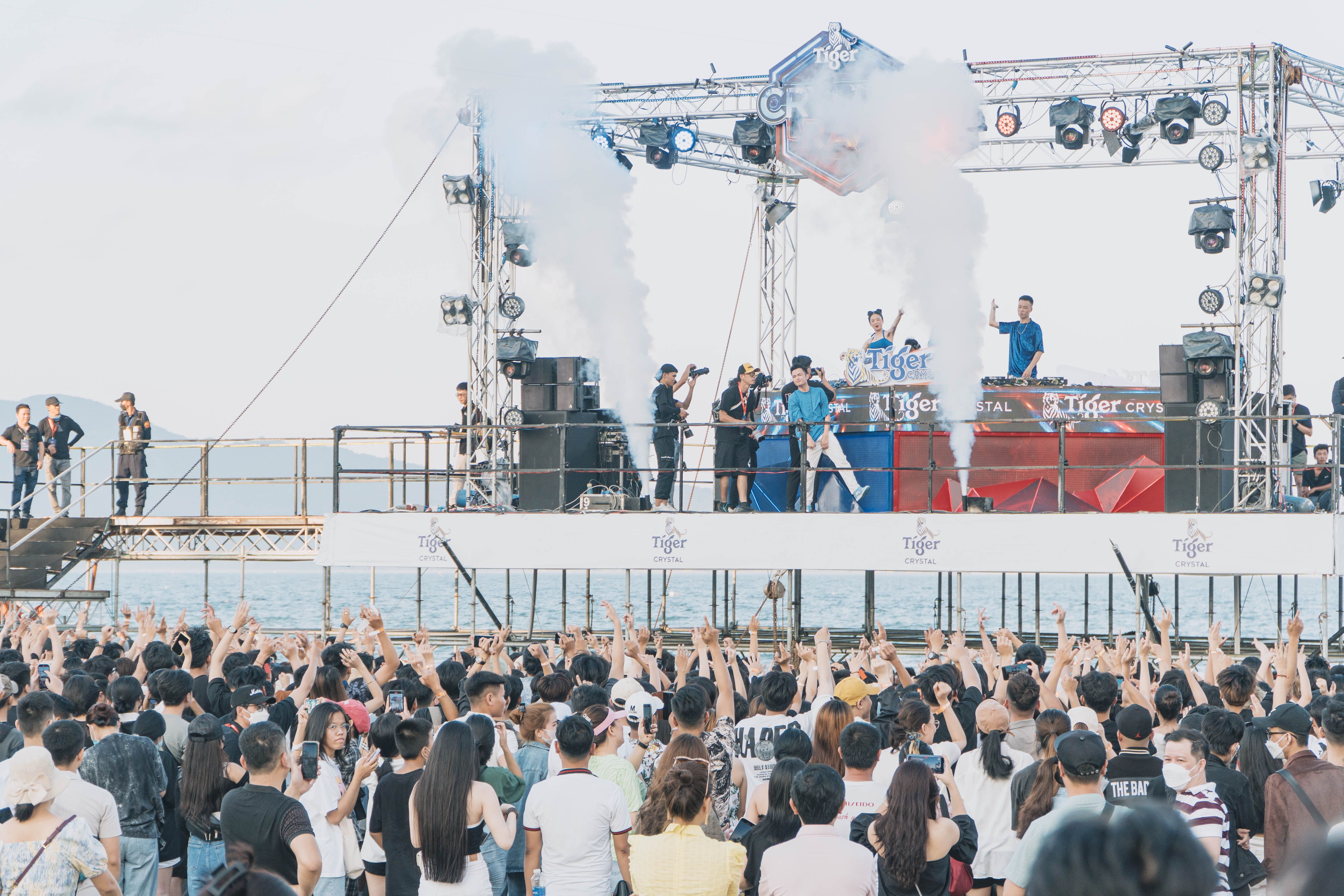
Global economies have been hit with inflationary pressures causing the cost of everything to rise over recent years. Whilst larger corporate music festival entities will have the financial clout to manage costs, smaller independent festivals have seen increased financial pressure. Can a resource sharing syndicate help independent festivals reduce their operating costs.
There is no official syndicate organisations as they exist on an informal basis usually made up of a collection of smaller entitles and event organisers. Their primary focus is to jointly acquire, hire or manage resources that are too expensive for a single festival entity to own.
Driven by Rising Costs.
The operating costs encountered by many smaller independent music festivals has been causing a severe impact on the sector with some organisers forced to close their events permanently. Using economies of scales can overcome some of these rising costs where the combined purchasing power enables them to compete with bigger players. It is often the fixed costs that present the biggest challenge because they can be the same for a small 3,000 festival-goer event and a 20,000-attendee event where the costs must be spread over fewer ticket sales. A sharing syndicate of 3 or 4 festival entities will have a larger collective purchasing power enabling them to collectively negotiate with suppliers for a lower cost.
What can be Shared.
Although there is no limit to the resources that can be collectively purchased there are some common requirements that syndicates focus on for the best deals. Perimeter fencing, barriers, walkie talkies and toilet facilities are some of the most popular cost sharing deals to negotiate because they are relatively generic across multiple events. Other operational costs like staging, power generators, lighting and backline equipment may require more custom negotiation because production differences can make selection less generic. Some of the highest operational costs can come from specialist technical personnel (production, accountancy, software and consultancy) and sharing these resources can significantly reduce overheads, especially where events run on different dates.
Typical Syndicate Models.
There is no fixed format to how a syndicate may operate but some models make the easiest and most practical solutions. The simplest and most popular syndicate model is the joint purchasing group where the syndicate collectively negotiates for annual deals with suppliers for generic requirements (fencing and toilet facilities). The resulting volume contract will have a lower overall cost where each festival pays for their own usage with assets remaining with the supplier after use. A more complex solution can be a shared asset pool where certain items are purchased collectively and remain in the ownership of the syndicate. Asset purchase makes sense for commonly used items like communication walkie talkies, crowd control barriers and production consumables for example. This can provide savings over time but requires more administration to set up along with storage and transport logistics to consider too. The sharing of specialist technical personnel is becoming increasingly common as it suits both festival entities and the workers. This can only really work where syndicate members have very different live event dates enabling personnel to work on one event in winter with additional events in the summer and autumn, for example. This can work well for roles like production teams, sustainability specialists, health and safety professionals and software IT managers. This personnel sharing may require separate detailed negotiation between individuals and festival entities because an employment status can differ (full time, permanent, temporary and contract).
Future Trends.
Sharing syndicates have mostly been created on an informal basis but this may change in the future as arrangements become formalised requring more governance over how the syndicate operates. Aspects that will require more focus could include establishing voting rights, financial contributions, asset ownership, booking priorities, managing supplier relationships and dispute resolution for example. Aside from specialist personnel and physical equipment, syndicates could consider other sharing opportunities which may extend to event insurance, ticketing, accountancy and software licensing. for example. As sharing syndicates develop in the coming years it’s likely that many will move from simple collective purchasing models to specialist personnel and physical asset sharing.
For festival organisers planning their next event using a software management platform like Festival Pro gives them all the functionality they need manage every aspect of their event logistics. The guys who are responsible for this software have been in the front line of event management for many years and the features are built from that experience and are performance artists themselves. The Festival Pro platform is easy to use and has comprehensive features with specific modules for managing artists, contractors, venues/stages, vendors, volunteers, sponsors, guestlists, ticketing, site planning, cashless payments and contactless ordering.
Image by Quyn Pham via Pexels
<< Back to articles
Contact us
Get in touch to discuss your requirements.
US: +1 424 485 0220 (USA)
UK: +44 207 060 2666 (United Kingdom)
AU: +61 (2) 8357 0793 (Australia)
NZ: +64 (0)9887 8005 (New Zealand)